Mercedes DPF Fault
You’re driving your Mercedes diesel through Langport when an unfamiliar symbol lights up on the dashboard. The car hasn’t missed a beat. Same power, same sound, same feel. Just a warning you haven’t seen before.

You do some research and land on three letters: DPF. Maybe the diesel particulate filter needs attention, or maybe something else in the emissions system is behind it. Either way, you’re unsure how serious it is or how soon you need to act.
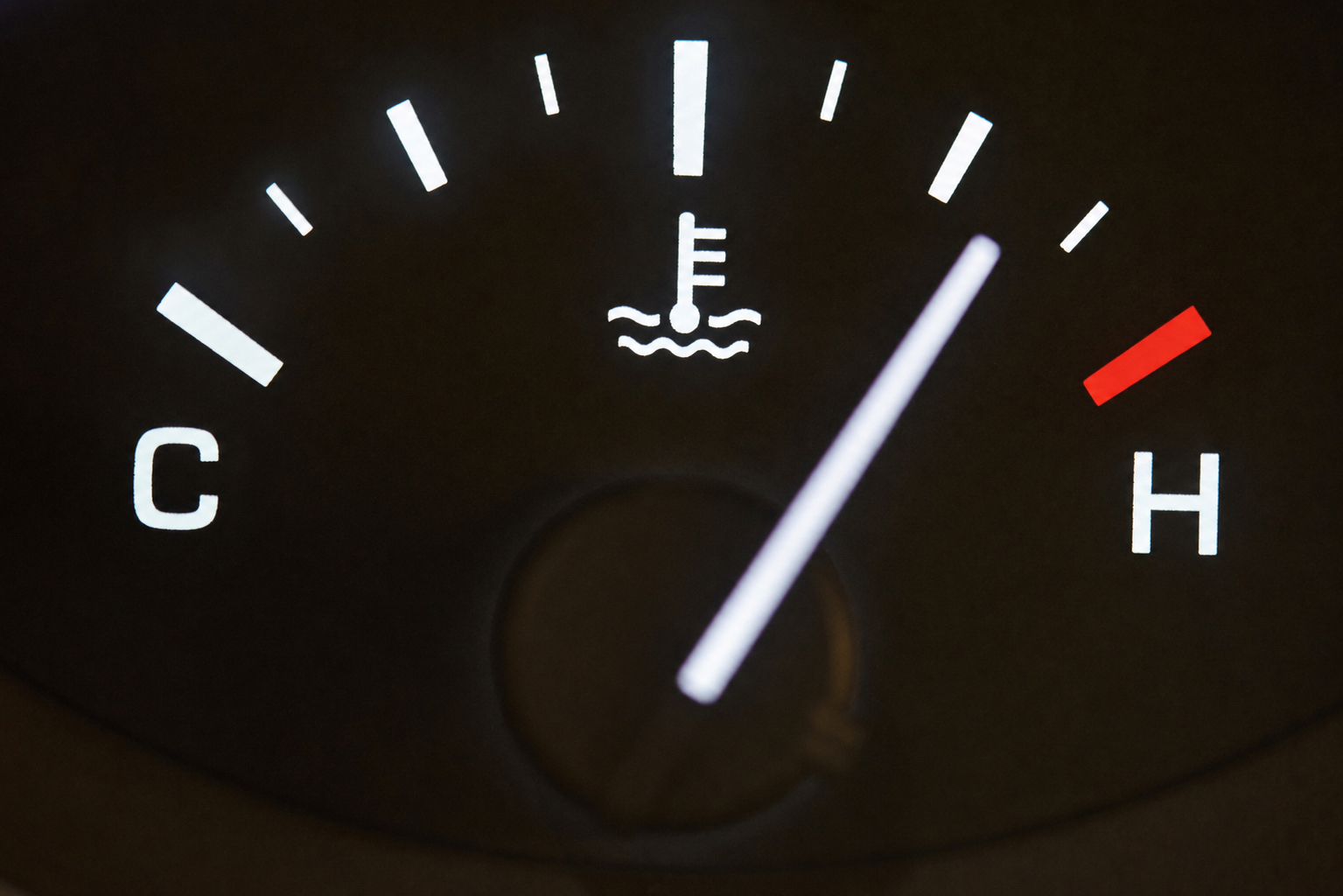
When a Mercedes diesel shows a dashboard warning, often via the engine management light, it points to a problem in the emissions system that can involve the diesel particulate filter. The cause might be soot loading, an unfinished regeneration, or another fault entirely. Leave it unchecked and you risk reduced performance, limp mode, an MOT failure, and a larger repair bill.
This guide explains how the diesel particulate filter works on your Mercedes, why the warning appears, what to look out for, and what to expect when you bring your vehicle to Shires Garage, Langport.
The Role of the DPF in Your Mercedes Emissions System
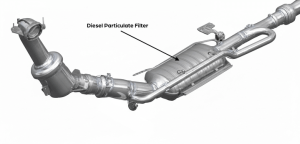
Your Mercedes diesel produces soot as a byproduct of combustion. The diesel particulate filter sits inside the emissions system and captures those particles before they leave the vehicle.
Over time, soot collects inside the filter. That’s part of normal operation. Your Mercedes deals with it through a process called regeneration, where the temperature inside the filter rises high enough for the accumulated soot to be oxidised and reduced. When regeneration runs as it should, you may not notice it happening.
The important thing is what happens when regeneration doesn’t complete a full cycle. The soot remains, the filter can become progressively more restricted, and at a certain point, a warning or message appears on your dashboard.
Mercedes DPF Regeneration: When It Works and When It Doesn’t
Mercedes DPF regeneration is the process your vehicle uses to reduce the soot inside the diesel particulate filter. It isn’t something you initiate. The engine management system handles it automatically when driving conditions allow.
What does that look like in practice? The engine needs to reach the operating conditions that allow regeneration, which usually means holding a steady speed for a sustained period once it’s fully warmed up. The exact conditions vary between Mercedes models and situations. The engine management system can also actively raise exhaust temperatures to support regeneration.
When Mercedes DPF regeneration happens often enough, soot is kept under control. How often that’s needed varies, depending on how and where you drive.
But if your driving doesn’t provide those conditions, the cycle can’t complete, and soot stays put.
Why a Mercedes DPF Warning Appears
Short runs, congested commutes, and frequent stop-start journeys share one trait: they don’t give the engine the sustained conditions regeneration requires. Soot builds up inside the filter, and once the restriction reaches a certain level, a dashboard warning appears.
So what does this mean for your Mercedes? Driving habits explain a significant proportion of DPF warnings, but they don’t account for every case.
The cause isn’t always the driving, though. A problem in the engine, elsewhere in the emissions system, or with a sensor involved in regeneration can hold the cycle back, too. That is what makes a full assessment worthwhile: it works out whether the trouble comes down to how the car is used, a mechanical fault, or some mix of the two.
If an engine management light, symbol, or message is showing, it’s worth having it looked at sooner rather than later. Speak to Shires Garage on 01458 250570 and we can talk you through the next step.
Making Sense of a Mercedes DPF Warning
How a DPF-related fault shows up varies from one Mercedes to the next: some flag it through the engine management light, others through a filter symbol or a message on the display. Whichever it is, the warning by itself won’t tell you precisely what has gone wrong.
In some cases, it is simply that regeneration hasn’t been able to complete. In others, a separate fault is stopping the system working as it should. Since those call for different remedies, the sound approach is to have the cause pinned down rather than assumed.
Go by whatever the dashboard is advising, and arrange an assessment if the warning lingers or returns. Catching it early usually gives the best chance of finding the cause while the repair is still a smaller job.
If a warning is showing and you think the DPF may be involved, speak to Shires Garage on 01458 250570. We’ll establish what’s behind it and advise on the next step.
What a DPF Warning Leads to Without Action
A restricted DPF that goes unaddressed rarely improves on its own. The restriction inside the filter can increase over time.
With continued driving, soot continues to accumulate. Exhaust gases can’t pass through the filter as they should, and the engine has to work harder to compensate. You may notice reduced acceleration, changes in fuel consumption, or the engine running rough.
Beyond a certain point, a blocked Mercedes DPF can trigger limp mode. That’s a deliberate restriction on power from the engine management system, and it can leave you unable to maintain normal road speeds.
The MOT is a further concern. For any diesel first used on or after 1 July 2008, an illuminated engine management light is itself a reason to fail. And where the underlying fault is affecting emissions, the readings can exceed the permitted limits too. If the warning has been showing for some time, get in touch with Shires Garage on 01458 250570 so we can assess where things stand.
How Shires Garage Investigates a Mercedes DPF Fault
When you bring your Mercedes to Shires Garage, Langport, the investigation begins with a conversation. Our technicians want to understand what you’ve noticed, when the warning appeared, how the vehicle has been behaving, and what kind of driving you do. That background matters because it helps narrow the possibilities before any technical work starts.
From there, our technicians use manufacturer-level software to carry out a detailed evaluation of the emissions system. The software shows what has been happening around the DPF, including how far regeneration attempts got and where they stalled.
The goal isn’t to clear the warning and move on. It’s to identify why regeneration stopped completing, and to address the underlying cause. Once we’ve found it, we’ll explain what we’ve found and what needs doing, and answer any questions before any work goes ahead. Every vehicle tells a different story, and the path from warning to resolution depends on what our technicians find.
Why a Generic Scan Falls Short on a Mercedes DPF Fault
A generic code reader may flag a DPF-related fault code. What it can’t tell you is why the self-cleaning cycle isn’t completing.
That distinction matters. Our technicians use manufacturer-level software to reach the Mercedes-specific data a generic tool can’t: DPF-related readings, sensor outputs, and operating data that together show what has been happening. A generic tool has no visibility into any of it.
So what does this mean for the diagnosis? Data without interpretation is just numbers. Our technicians understand which readings point toward the root cause and which are downstream effects of the same problem. A single fault code for excessive soot accumulation can trace back to several different origins. Working through those possibilities takes hands-on experience with Mercedes diesel systems.
If a warning has been showing and you’re unsure what’s behind it, ring Shires Garage on 01458 250570 and we’ll go from there.
Why Choose Shires Garage, Langport for Your Mercedes?
When your Mercedes flags a warning, it needs a technician who understands Mercedes diesel systems to trace it back to its actual cause.
At Shires Garage, Langport, that’s what we do. Whether it’s a Mercedes C-Class DPF fault, an E-Class, a Sprinter, or a GLC, our technicians bring the depth of experience and the manufacturer-level equipment needed to get to the bottom of it.
When you bring your Mercedes to us, you can expect:
- Our technicians using manufacturer-level software to access the full picture
- A clear explanation of the cause and what needs to happen next
- All parts and labour covered by a 12-month guarantee
- A free courtesy car when you book in
{{average-rating}} on Google from {{review-count}} Langport and Taunton customers. Reviewers consistently mention thorough investigation and honest advice as what sets Shires Garage apart.
If a warning, symbol, or alert is showing on your Mercedes, call us on 01458 250570. We’ll explain what to expect and book your vehicle in for a full assessment.
Mercedes DPF: Frequently Asked Questions
Is it safe to keep driving once a warning appears on my Mercedes?
That depends on what your Mercedes is telling you. A warning can come on for a range of reasons and doesn’t by itself confirm a DPF fault. Follow any instructions on the dashboard, and book an assessment if the warning stays on or comes back. If the car asks you to stop or seek assistance, do so and call Shires Garage on 01458 250570 for advice.
Which Mercedes diesels are prone to DPF problems?
Any Mercedes diesel fitted with a particulate filter can be affected. A Mercedes C-Class DPF fault is a common example, and the E-Class, GLC and Sprinter turn up with the same kind of problem, though they’re not the only ones. While every DPF has the same core purpose, the design of the surrounding system, and the faults that show up, aren’t identical from one model to the next. Shires Garage can investigate a DPF-related fault on any Mercedes diesel.
How does Mercedes DPF regeneration work?
It’s how your Mercedes lowers the soot that gathers inside the diesel particulate filter, lifting exhaust temperatures until that soot is oxidised. The engine has to hold steady revs at a consistent speed for a while, and the engine management system can raise exhaust heat to get things going. If the right conditions don’t come around often enough, soot builds up and a warning can appear.
Can a blocked DPF fail my Mercedes’s MOT?
It can. On any diesel first used from 1 July 2008 onwards, an engine management light that’s lit during the MOT is grounds for a fail on its own. And a Mercedes DPF blocked badly enough to affect emissions can push the readings past the permitted limits as well. Having it assessed before your MOT is due avoids that risk. Call Shires Garage on 01458 250570.